
Held from 2015 - 2025, the Yale Ciencia Academy (YCA) was a free, National Institutes of Health (NIH) supported (grant R25GM114000) year-long program that equipped biomedical or health sciences doctoral students, especially those in the final 1–2 years of their programs and from a broad range of perspectives and experiences, with the knowledge, skills, and networks they need to find outstanding postdoctoral positions that align with their academic interests and career goals.
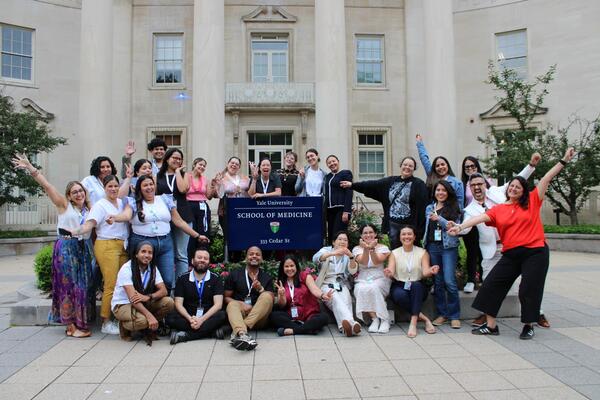
Over the course of one year, fellows became part of a supportive peer community; developed essential career planning, mentoring, and scientific and interpersonal communication skills; and connected with role models from diverse backgrounds.
Since 2016, we trained ten cohorts and a total of 266 biomedical and health sciences doctoral students from at least 94 institutions across more than 30 states and Puerto Rico.
Phase I of the program (2015–2020) was open to doctoral students in the biomedical and health sciences at all stages of training and with a range of career interests. Participants included 196 students (across five cohorts) from a broad range of institutional, academic, and demographic backgrounds. Students were also diverse in terms of training stage, candidacy, and research interests.

During Phase I, we successfully recruited a large number (n=138) of scientific role models who reflected the diversity of our fellows—60% female, 56% Hispanic, and 10% African American. These role models represented a wide array of career outcomes, work sectors, academic institutions, appointment types, and ages, showcasing the many ways to be successful in science.
Phase I of the program (2015 - 2020) was open to doctoral students in the biomedical and health sciences at all stages of training and with a range of career interests. The majority of fellows were from backgrounds underrepresented in academia in terms of gender, ethnicity, race, disability, family educational attainment, undergraduate college, and place of birth. Students were also diverse in terms of their training stage, their candidacy, and research interests.
Data from our first three cohorts showed that YCA significantly improved PhD completion rates, enhanced mentoring and communication skills, strengthened planning and self-efficacy, and empowered doctoral students to be more intentional in their career trajectories. After completing the program, 68% of fellows reported being more knowledgeable about career options, 53% had greater clarity about the steps needed to achieve their preferred career, 43% better understood how to find information to reach their goals, and 55% felt more confident finding and engaging with advisors about their career plans. Notably, 44% of fellows reported greater clarity about the career they wanted to pursue, an important finding given that many PhD students become less certain about their career direction as they advance through their programs.
Phase II of YCA (2021–2025) built upon the effective strategies and trainings developed in Phase I to help students become more proactive and intentional in their post-PhD transitions. Based on feedback from alumni and a review of relevant literature, the program was adapted to better support the evolving needs of students during this critical period.
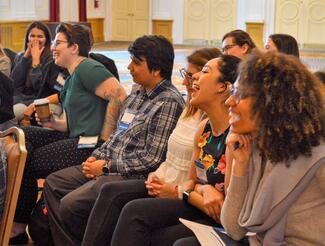
During this phase, and in collaboration with iBiology/Science Communications Lab, the program also produced the Yale Ciencia Academy courses, a collection of interactive video training modules, developed from our years of experience and based on our successful trainings. The video trainings are now publicly accessible and available for students who want to develop their knowledge and skills or for training leaders who would like to utilize them in their programs. These include:
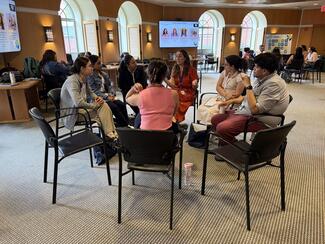
In June 2025, we proudly graduated our final cohort of fellows as the current grant cycle came to a natural close. Over ten years, YCA proudly supported a total of 266 doctoral students, who, along with the YCA team and our exceptional collaborators, now form a broad and
enduring community of support.
While the formal program has concluded, our commitment to the YCA mission remains strong. We are now focused on extending the impact of our work by creating guides for the use of the interactive video modules. These modules cover the core topics essential to navigating the post-PhD transition and will serve as a valuable resource for the broader scientific community. In addition, with a decade of data and insights gathered, we are also working on a comprehensive analysis of the program’s outcomes and impact.
 YCA was created by Dr. Giovanna Guerrero-Medina and led by her and by the staff of the Yale Ciencia Initiative within the Office of Collaborative Excellence of Yale School of Medicine, in partnership with the nonprofit organizations Ciencia Puerto Rico and iBiology./Science Communications Lab.